Zero Liquid Discharge: Achieving Environmental Compliance in Gujarat


Understanding Zero Liquid Discharge
Zero Liquid Discharge (ZLD) is a cutting-edge wastewater treatment process that ensures no liquid waste leaves the facility. By converting liquid waste into solids, industries can significantly reduce water pollution and adhere to stringent environmental regulations. In Gujarat, where industrial activities are robust, ZLD is becoming increasingly vital for achieving sustainability goals.
The Importance of ZLD in Gujarat
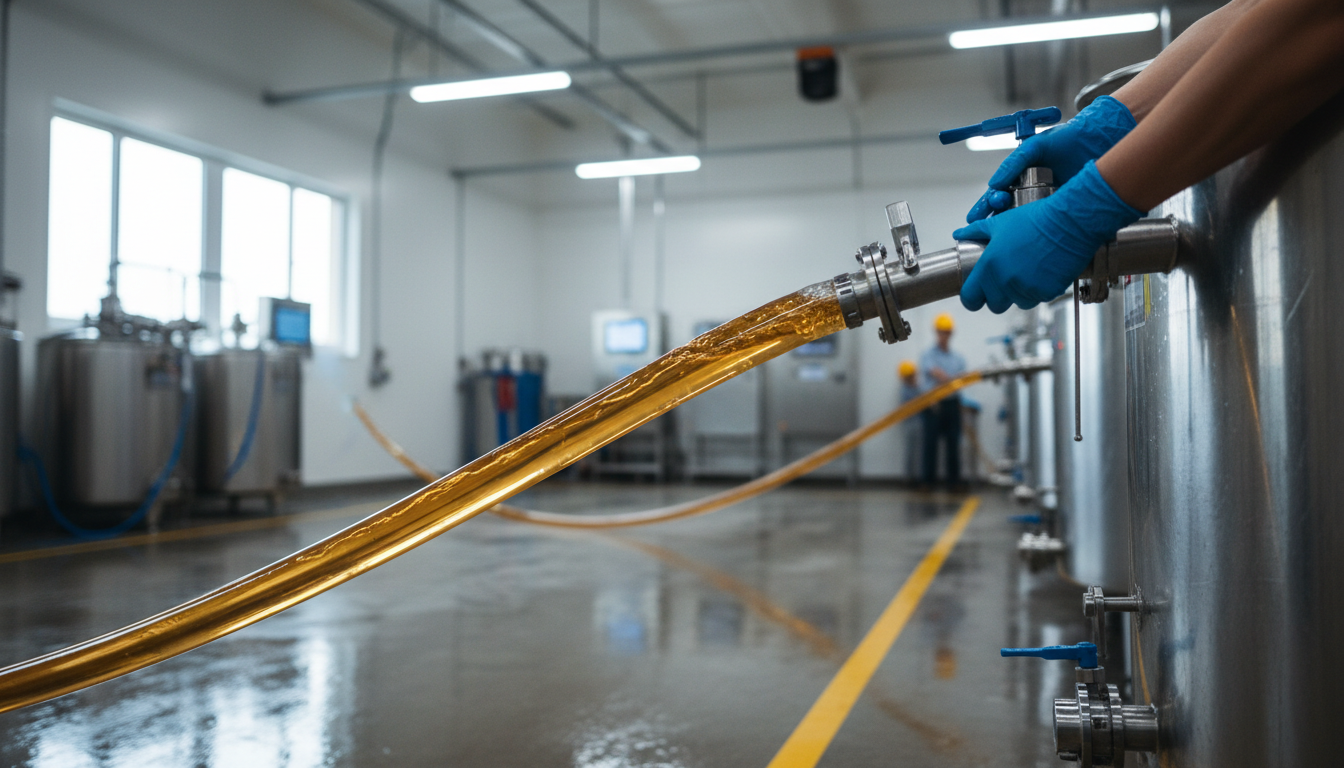
Gujarat, known for its thriving industrial sector, faces challenges in managing wastewater effectively. The implementation of ZLD systems helps industries meet compliance requirements and minimize environmental impact. This not only protects local water resources but also enhances the sustainability of industrial operations.
Key Components of ZLD Systems
A ZLD system typically includes several critical components:
- Pretreatment: Removal of suspended solids and organic matter.
- Evaporation: Concentrating the wastewater to extract clean water.
- Crystallization: Converting the concentrated waste into solid crystals for disposal.
These components work in harmony to ensure no liquid waste is discharged into the environment.
Benefits of Implementing ZLD
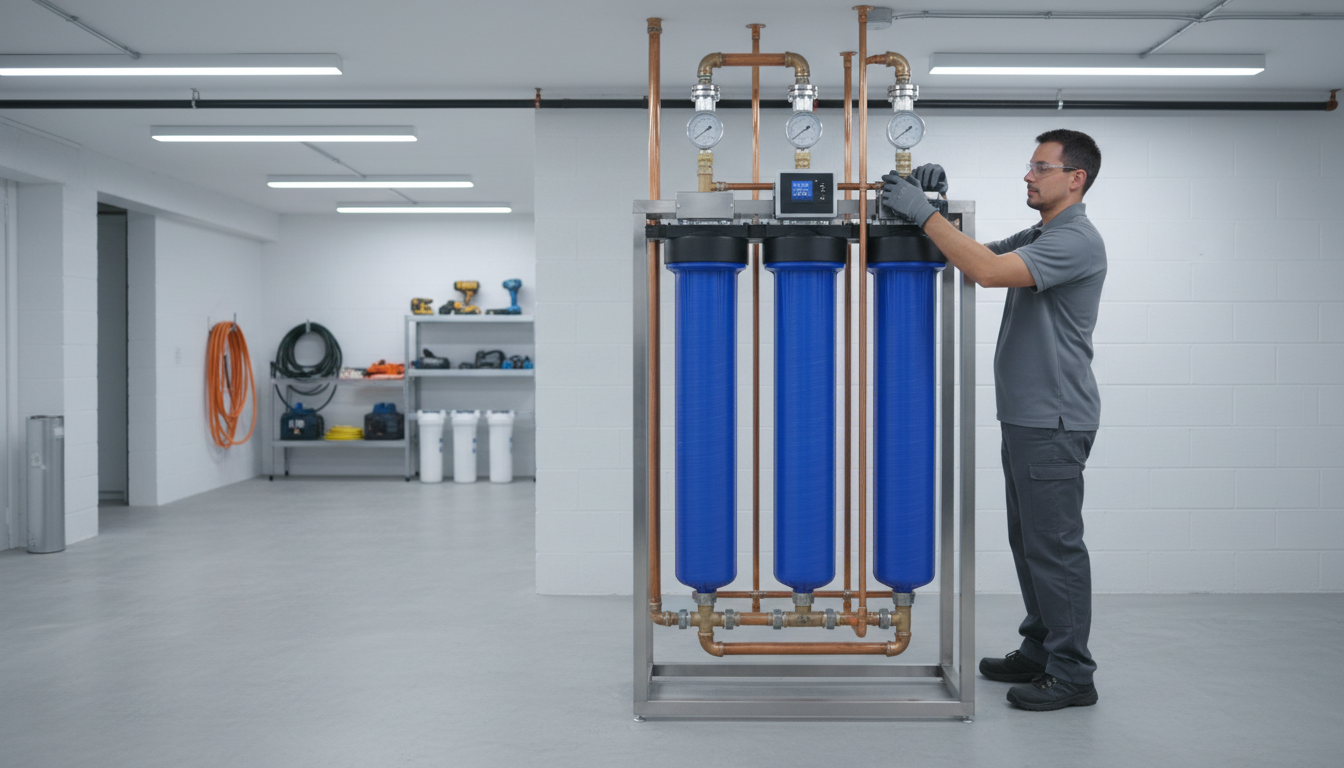
Implementing ZLD offers numerous advantages. Not only does it help industries comply with environmental regulations, but it also contributes to water conservation. By recycling water within the facility, industries can significantly reduce their fresh water intake. Additionally, ZLD systems can lead to cost savings in the long run by minimizing waste disposal costs.
Challenges and Solutions
Despite its benefits, ZLD implementation can present challenges such as high initial costs and energy consumption. However, advancements in technology are continuously driving down costs and improving energy efficiency. Companies can also explore government incentives and subsidies to support the adoption of ZLD systems.
The Role of Government Policies
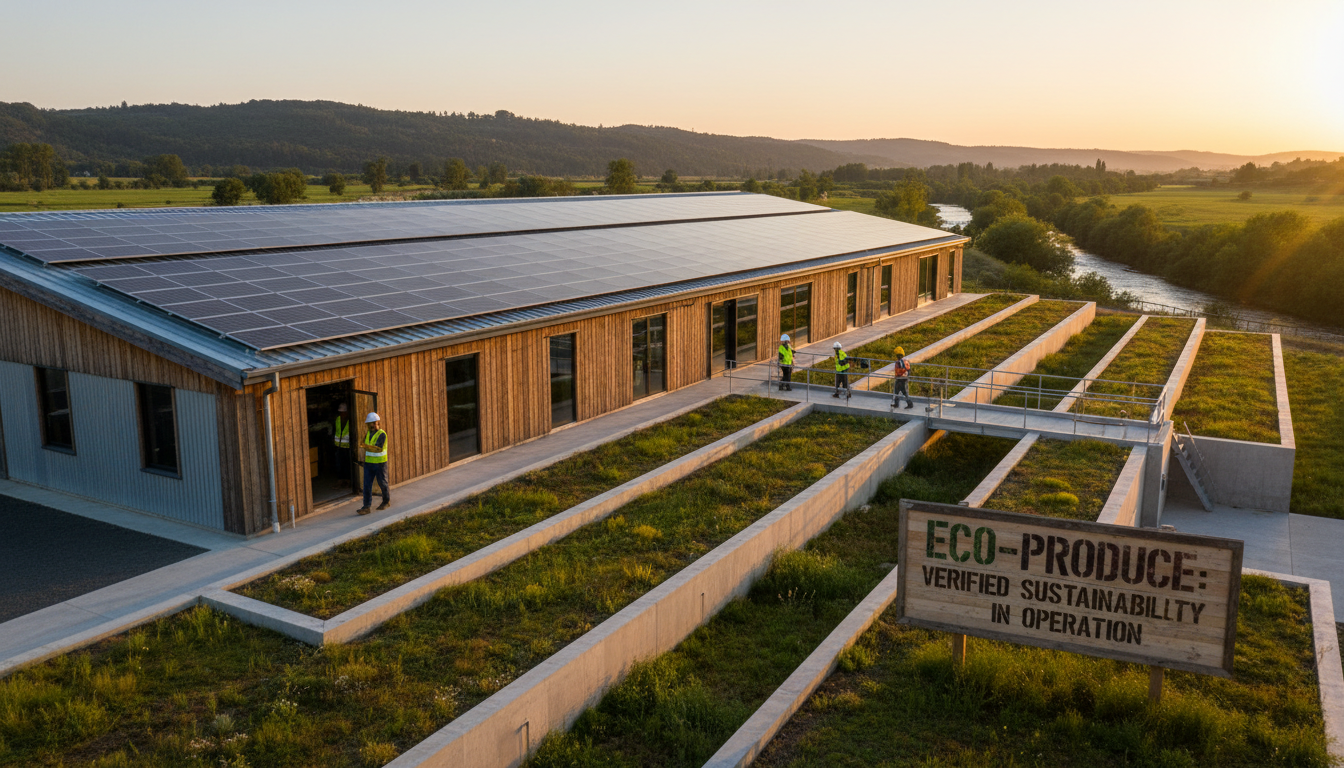
The government of Gujarat plays a crucial role in promoting ZLD through supportive policies and regulations. By setting clear compliance standards and providing financial assistance, the government encourages industries to adopt sustainable practices. These efforts not only protect the environment but also bolster the state's reputation as a leader in sustainable industrialization.
Future of ZLD in Gujarat
As industries in Gujarat continue to innovate and expand, the adoption of ZLD systems is expected to rise. By embracing these technologies, businesses can ensure long-term sustainability and remain competitive in a global market increasingly focused on environmental responsibility.
In conclusion, Zero Liquid Discharge is an essential strategy for achieving environmental compliance and promoting sustainability in Gujarat. By investing in ZLD systems, industries can protect vital water resources, reduce environmental impact, and contribute to a greener future.