
Understanding Vertical Inline Pressure Pumps in HydroPneumatic Systems


Introduction to Vertical Inline Pressure Pumps
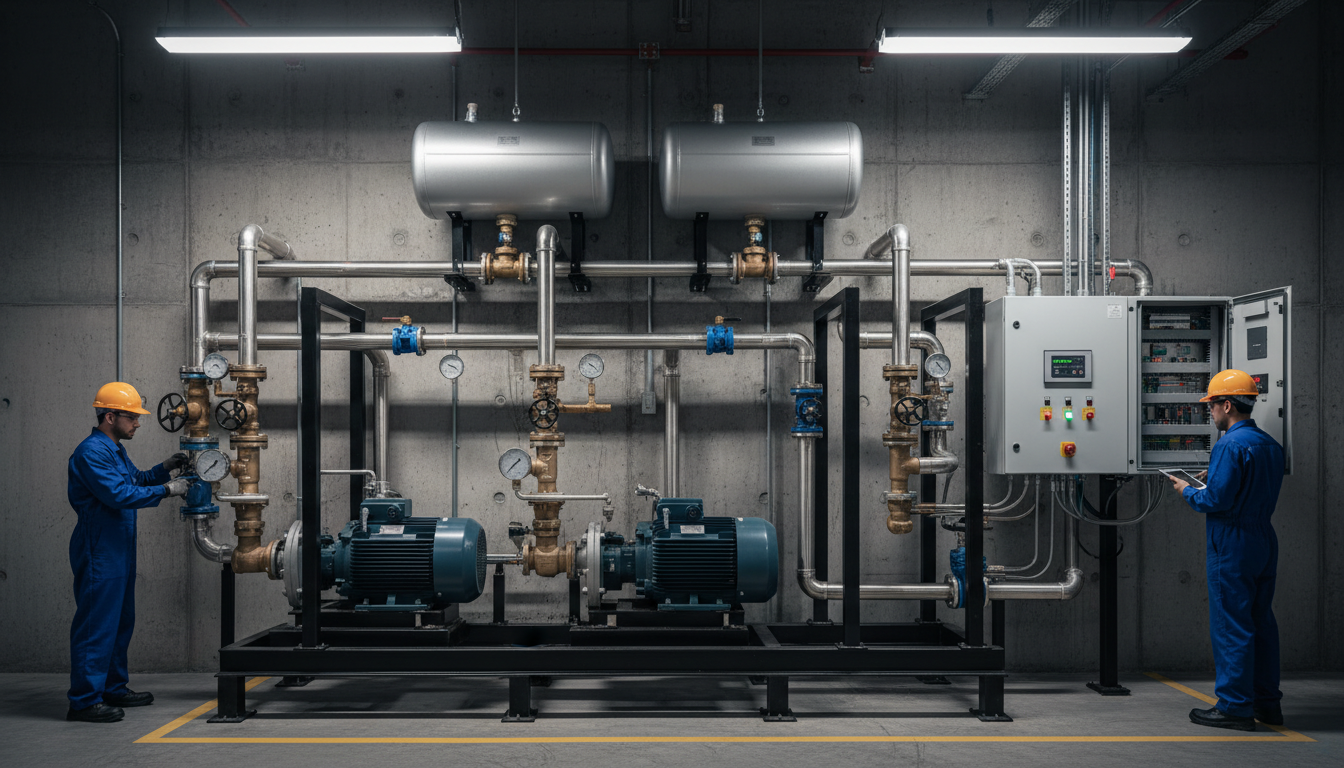
Vertical inline pressure pumps play a crucial role in hydro-pneumatic systems, offering an efficient solution for water pressure management. These pumps are specifically designed to work in tandem with air-filled tanks, ensuring consistent water flow and pressure. Understanding their function and benefits can help in selecting the right pump for various applications.
How Vertical Inline Pressure Pumps Work
These pumps are engineered to move water vertically, making them ideal for systems where space is limited. They operate by using a powerful motor to drive an impeller, which increases the pressure of the water flowing through the system. This increased pressure is crucial for maintaining a steady water supply in both residential and commercial settings.
In a hydro-pneumatic system, the pump works alongside a pressure tank. When water is drawn from the system, the pressure in the tank decreases, triggering the pump to activate and restore the pressure to its predetermined level. This ensures a continuous supply of water without fluctuations.
Advantages of Vertical Inline Pressure Pumps
Vertical inline pressure pumps offer several advantages, making them a popular choice in hydro-pneumatic systems:
- Space Efficiency: Their vertical design requires minimal floor space, making them ideal for compact installations.
- Energy Efficiency: These pumps are designed to operate efficiently, reducing energy consumption and operational costs.
- Reliability: Built with durable materials, they provide long-lasting performance even in demanding conditions.
Applications of Vertical Inline Pressure Pumps
These pumps are versatile and can be used in a variety of applications. They are commonly found in residential water supply systems, where they ensure consistent water pressure for daily use. In commercial settings, they are used to support high-demand systems, such as in hotels or office buildings.
Additionally, vertical inline pressure pumps are employed in industrial processes that require precise water pressure management. Their ability to maintain a steady flow makes them indispensable in many industries.
Maintenance and Care
Regular maintenance is essential to ensure the longevity and efficiency of vertical inline pressure pumps. Routine checks should include inspecting the motor, impeller, and seals for wear and tear. It's also important to monitor the pressure settings and make adjustments as needed to maintain optimal performance.
Proper maintenance not only extends the life of the pump but also ensures that the hydro-pneumatic system operates smoothly, preventing costly downtime and repairs.
Conclusion
Understanding the functionality and benefits of vertical inline pressure pumps is crucial for anyone involved in designing or maintaining hydro-pneumatic systems. Their space-saving design, energy efficiency, and reliability make them a valuable component in ensuring consistent water pressure. By selecting the right pump and committing to regular maintenance, users can enjoy a dependable water supply across various applications.