Navigating GPCB and CPCB Standards for Wastewater Management


Understanding GPCB and CPCB Standards
In India, effective wastewater management is crucial for environmental sustainability and public health. Two key regulatory bodies oversee this sector: the Gujarat Pollution Control Board (GPCB) and the Central Pollution Control Board (CPCB). Understanding their standards and guidelines is essential for industries and municipalities engaged in wastewater treatment.
The GPCB operates at the state level, particularly in Gujarat, while the CPCB functions under the Ministry of Environment, Forest and Climate Change, providing national-level guidelines. Both organizations play a pivotal role in maintaining water quality and enforcing environmental laws.
Key Standards and Guidelines
The GPCB and CPCB set comprehensive standards for wastewater discharge. These standards are designed to minimize pollution and protect water bodies. The guidelines cover various parameters, including Biological Oxygen Demand (BOD), Chemical Oxygen Demand (COD), pH levels, and Total Suspended Solids (TSS).
Industries must adhere to these parameters before discharging treated wastewater. Regular monitoring and reporting are mandatory to ensure compliance. Non-compliance can result in penalties and legal actions, emphasizing the importance of adhering to these standards.

Wastewater Treatment Technologies
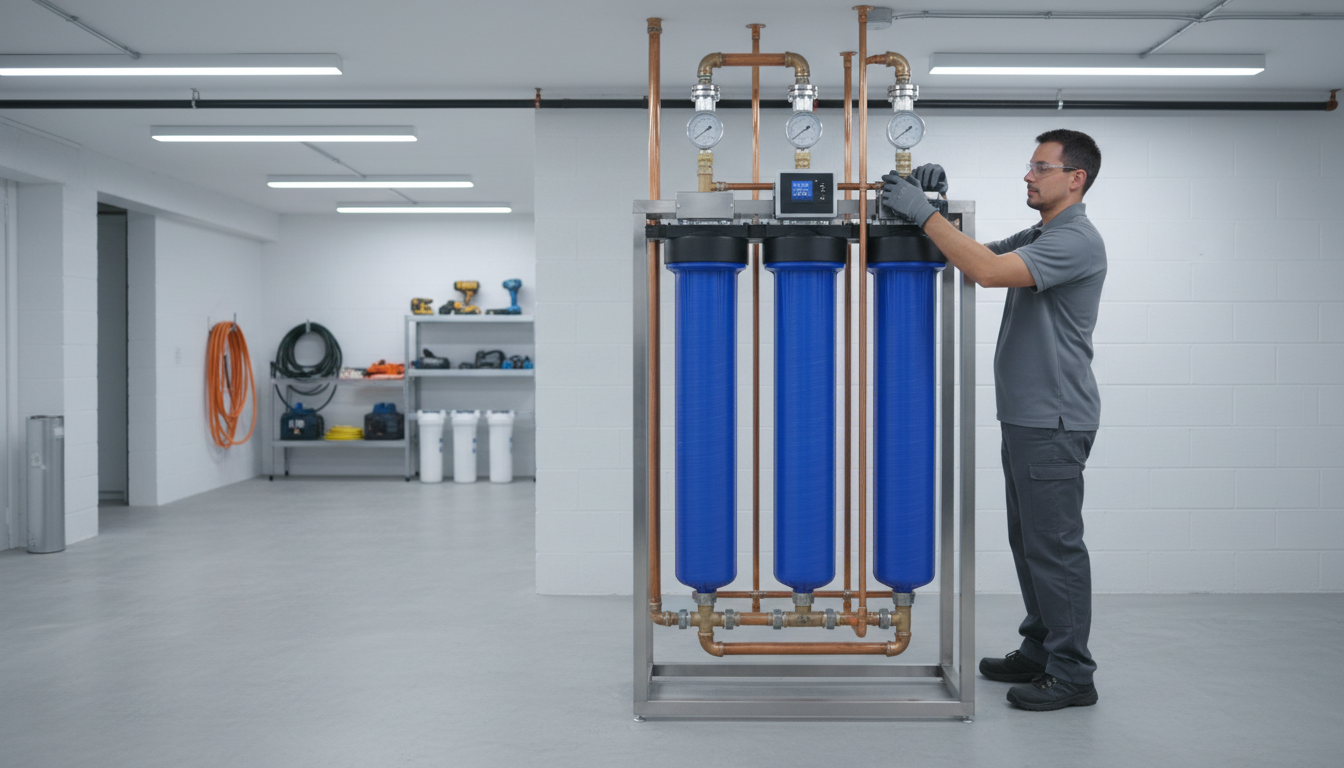
To meet GPCB and CPCB standards, several advanced wastewater treatment technologies are employed. These include Activated Sludge Processes, Membrane Bioreactors, and Sequencing Batch Reactors. Each technology offers distinct advantages and is chosen based on the specific needs and scale of the operation.
Choosing the right technology is crucial for efficiency and compliance. Factors such as cost, space, and local environmental conditions must be considered. Consulting with environmental engineers and regulatory experts can aid in making informed decisions.

Challenges in Compliance
Despite clear guidelines, industries often face challenges in compliance. Infrastructure limitations, financial constraints, and lack of technical expertise can hinder effective wastewater management. These challenges require a collaborative approach involving government bodies, industries, and local communities.
Continuous education and awareness programs can enhance understanding and compliance. Investing in training for technical staff and adopting best practices can significantly improve wastewater management outcomes.
Future Trends and Developments
As environmental concerns grow, the GPCB and CPCB are likely to introduce more stringent standards in the coming years. Emerging technologies, such as AI-based monitoring systems and real-time data analytics, are expected to play a significant role in enhancing compliance and efficiency.
Staying updated with regulatory changes and technological advancements will be crucial for industries to remain compliant and competitive. Proactive adaptation to these changes can lead to sustainable environmental practices and improved community relations.